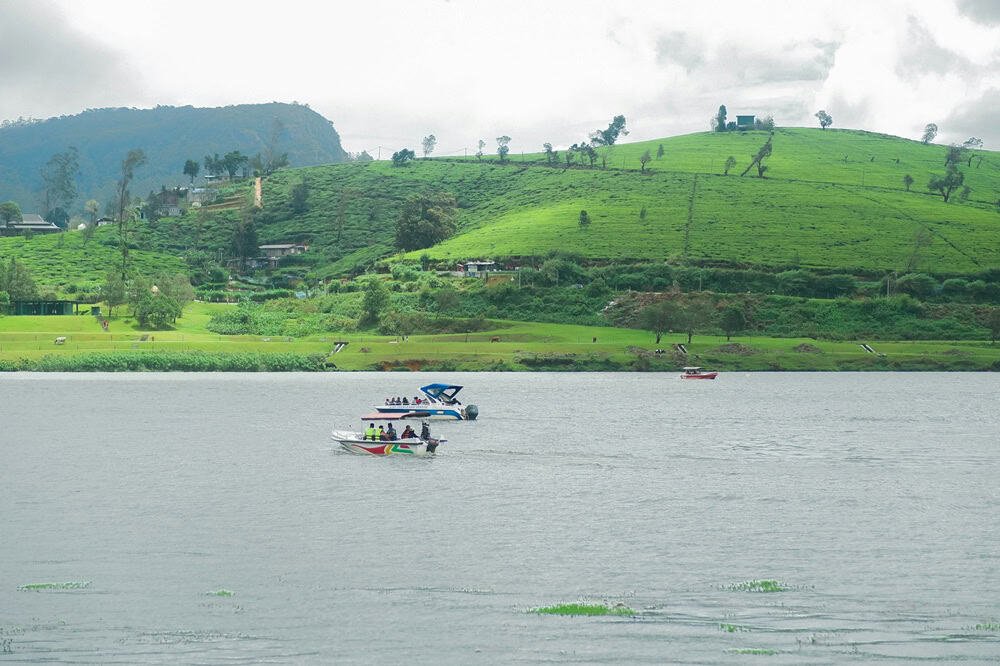

Looking for best time to visit Sri Lanka?
Jewel-shaped Sri Lanka in the Indian Ocean is ready to welcome travelers year-round. The island houses golden beaches, lush tea plantations, ancient temples, and vibrant wildlife.
The country is always open for exploration; however, the “best time” to visit isn’t one-size-fits-all. It depends on where you’re headed, what you want to experience, and how much sunshine (or rain) you’re willing to embrace.
The Lankan climate is quite peculiar, affecting different regions/parts of the country at various times of year. This guide takes you month by month through Sri Lanka’s shifting seasons to help you discover the best time to visit.
Catching up with Sri Lankan Climate + Season
The tropical climate is diverse, shaped by two monsoon systems, making it a year-round destination. While one coast is drenched in rain, the other enjoys sunny skies.
Southwest Monsoon (Yala Monsoon)
Season: May to September
It affects the west and south coasts (Colombo, Galle, Matara) and the central hill country (Kandy, Nuwara Eliya). The weather is expected to feature heavy rainfall, especially in the southwest.
Northeast Monsoon (Maha Monsoon)
Season: October to January
It affects the east and north coasts (Trincomalee, Batticaloa, Jaffna). The weather brings rain to the eastern and northern provinces, while the southwest enjoys drier weather.
Why Sunshine and Rain Coexist?
The island’s small size and varied topography mean rainfall is highly localized. For example, while Colombo may be drenched in June, Arugam Bay on the east coast is sunny and perfect for surfing.
Such “climate duality” allows travelers to find a dry region, no matter the season. If you’re planning a trip, aligning your itinerary with the monsoon pattern seems like a great idea.
Temperature Condition
Coastal regions remain between 25°C – 31°C (77°F – 88°F) throughout the year. The hill country is cooler, with temperatures of 5°C – 20°C (41°F – 68°F) in places like Nuwara Eliya.
North Central Province can reach 39°C (102°F) in May, while the central highlands dip to 12°C (53°F) in January.
Overall Humidity
Average humidity ranges from 69% in Uva (April) to 89% in October. High humidity can make coastal heat feel more intense, while the hill country offers relief.
Best Time to Visit Sri Lanka by Travel Purpose
Best Time for Beaches
Southwest and South Coasts (Colombo, Galle, Bentota, Mirissa): December–March (dry season, calm seas). Go for swimming, snorkeling, and whale watching in Mirissa.
East Coast (Trincomalee, Arugam Bay, Passikudah): May–September (dry season here). Get to surfing in Arugam Bay (a global surf hotspot) and diving in Trincomalee.
Best Time for Wildlife Safaris
- Yala National Park (leopards): Best from February–March and July–September (dry season, animals gather near waterholes).
- Minneriya and Kaudulla (elephants): August–October for the famous “Gathering” of 200+ elephants.
Sri Lanka is home to over 5,800 wild elephants and one of the highest leopard densities globally.
- Wilpattu National Park: February–October, less crowded than Yala.
- Udawalawe: Year-round, but dry months (May–September) offer better sightings.
Best Time for Cultural Sightseeing
Dry season (December–April): Ideal for exploring UNESCO sites like Sigiriya, Polonnaruwa, and Anuradhapura. It’s the peak tourist season, so book early. Visiting Sigiriya in January means clear skies and cooler mornings for climbing the rock fortress.
Best Time for Hiking and Hill Country Tours
Ella, Nuwara Eliya, Horton Plains, Adam’s Peak: December–March (cool, dry weather). You can give tea plantation tours, train rides from Kandy to Ella, and hikes to World’s End. Adam’s Peak pilgrimage season runs from December to May, with clear skies and a vibrant cultural atmosphere.
Best Time for Budget Travel
Monsoon Seasons: May–September (southwest monsoon) and October–November (inter-monsoon). Lower hotel rates (up to 30% cheaper), fewer crowds, flexible bookings. Rain showers, but sunshine often returns quickly.
Best Time for Festivals and Events
- April: Sinhala and Tamil New Year (family celebrations, traditional games).
- May: Vesak (Buddha Day, lantern festivals).
- July–August: Esala Perahera in Kandy (grand Buddhist procession with dancers, elephants, drummers).
- August: Kataragama Festival (Hindu-Buddhist rituals).
- October–November: Deepavali (Diwali, Hindu festival of lights).
Month-by-Month Guide to Visiting Sri Lanka
Sri Lanka offers diverse travel experiences. Each month has unique pros and cons. Find balance to enjoy the most rewarding visit.
January – Peak Season and Perfect Weather
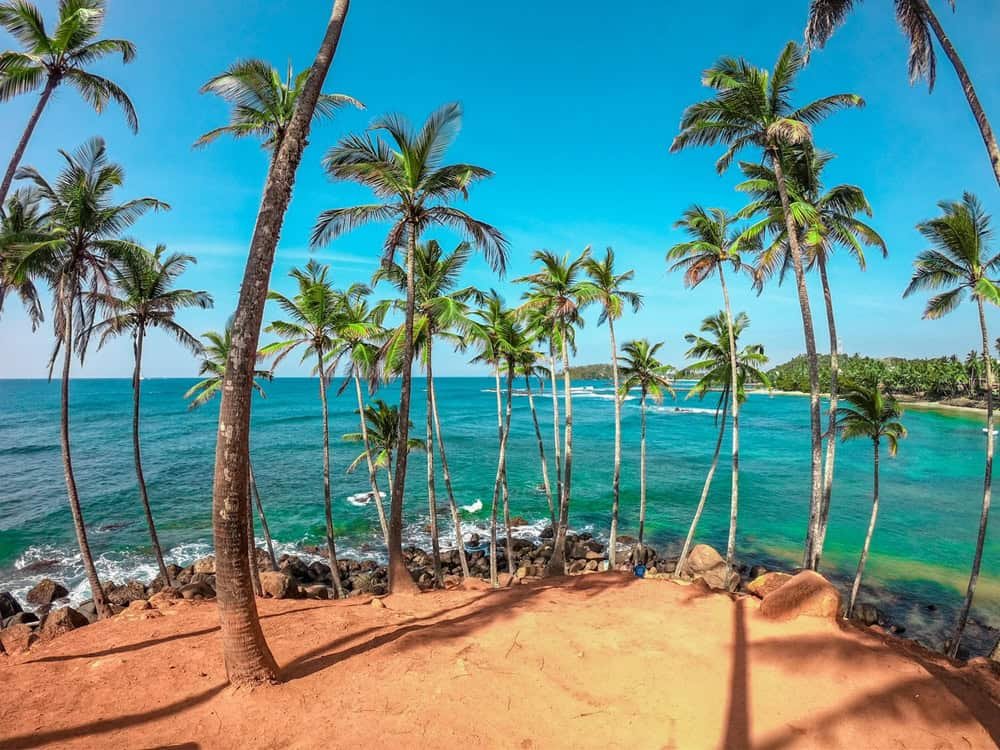
Dry and sunny across the south and west coasts (27–30°C), with minimal rainfall. The Cultural Triangle (Sigiriya, Polonnaruwa, Anuradhapura) also enjoys clear skies.
Best Destinations: Galle, Mirissa, Bentota (beaches); Sigiriya & Kandy (cultural sites); Yala National Park (wildlife). Ideal weather, wide range of activities, perfect for first-time visitors.
Peak tourist season—expect higher hotel rates (20–30% more) and crowded attractions. Crowd levels are high, especially in coastal resorts and UNESCO World Heritage Sites.
February – Ideal for Beach and Cultural Travel

Continued dry season with warm temperatures (28–31 °C). Coastal waters are calm, making it excellent for swimming and diving. You’ll find balanced weather across most regions.
Best Beach Destinations: Mirissa, Unawatuna, Bentota (southwest); Kalpitiya (west coast, famous for dolphin watching). Perfect for first-time visitors who want beaches + culture in one trip.
However, it’s still the busy season, though slightly less crowded than January. Expect a moderate to high crowd at a manageable scale.
March – Transition Month with Warm Temperatures

Temperatures rise (30–33 °C in lowlands), and humidity increases. Occasional showers in the southwest regions. Great for hill country escapes, fewer crowds than Jan–Feb.
Best Regions to Explore: Hill country (Ella, Nuwara Eliya, Horton Plains): Cooler (16–20 °C), ideal for hiking. Cultural Triangle remains dry and accessible.
As temperatures rise in coastal areas, humidity can feel uncomfortable. You’re likely to encounter moderate crowds with prices beginning to ease compared to peak season.
April – Hot Weather and Cultural Festivities

Hottest month of the year (32–35°C in lowlands, up to 39°C in north-central areas). The hill country remains cooler (18–22°C). Stay hydrated and plan sightseeing in the mornings/evenings.
Sinhala + Tamil New Year (mid-April): Celebrated with traditional games, food, and family gatherings. Cultural immersion opportunities in villages and towns.
Use the hill country as a cool retreat. Book accommodations early—domestic travel peaks during the New Year holidays. Intense heat in coastal and lowland areas; some businesses close during the New Year week.
May – Start of the Southwest Monsoon
Southwest and South Coasts (Colombo, Galle, Mirissa) experience heavy rainfall as the Yala monsoon begins. Average rainfall ranges from 300 to 400 mm in coastal areas.
Best Regions to Visit: East coast (Trincomalee, Arugam Bay, Passikudah): Dry and sunny, perfect for beach holidays. The Cultural triangle (Sigiriya, Polonnaruwa, Anuradhapura) remains relatively dry.
Exploring ancient ruins in dry cultural zones or doing some whale watching in Trincomalee. It’s the shoulder season—fewer crowds, cheaper rates (hotels can be 20–30% lower).
June – Best Time for East Coast Travel
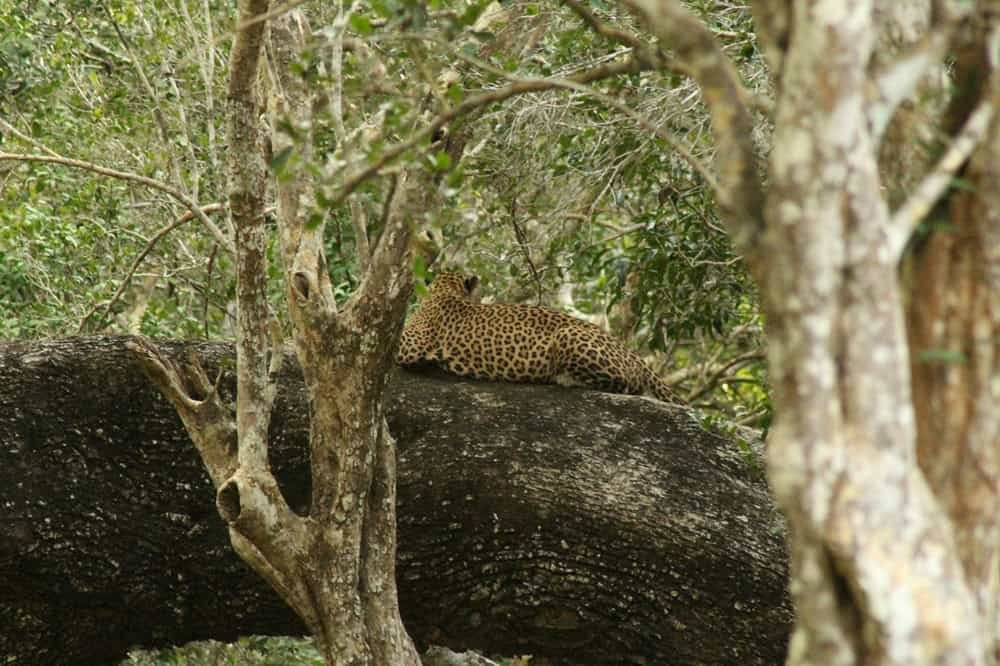
The southwest coast remains rainy. The east coast enjoys dry, sunny weather (avg. 28–32 °C).
Top Destinations: Arugam Bay, Trincomalee, Passikudah, Wilpattu National Park, Minneriya
It’s the best month for beaches on the east coast. Wildlife safaris are quite rewarding. However, expect rain to limit activities in the southwest.
July – Festivals + Wildlife Highlights
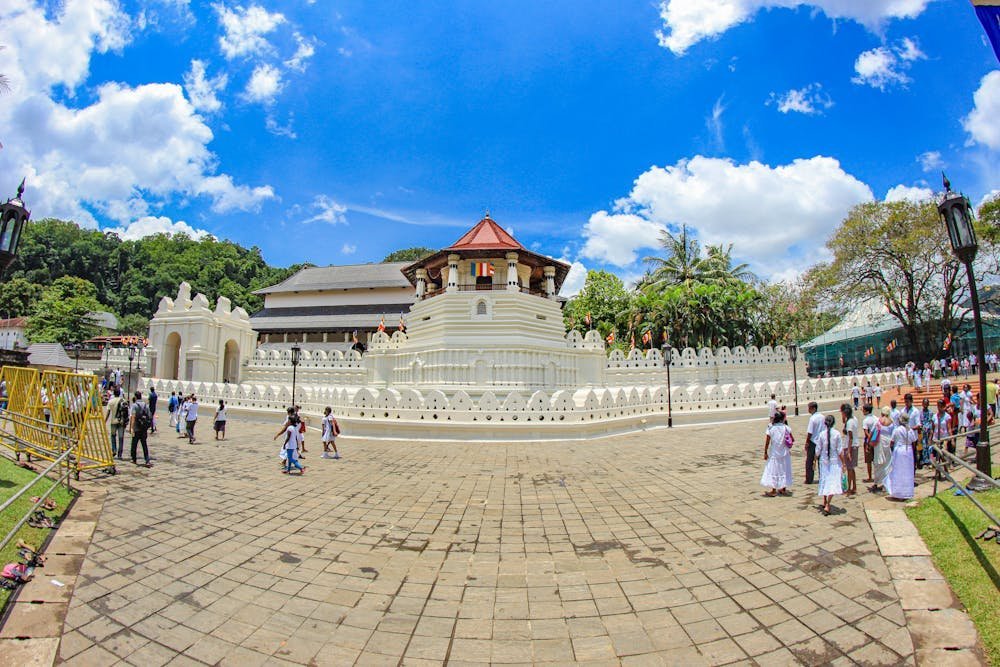
The east coast remains dry and sunny. Cultural Triangle enjoys good conditions. Hill country (Kandy, Nuwara Eliya) gets cooler (18–22°C).
Major Festivals: Esala Perahera (Kandy, July/August), Yala National Park, and Minneriya. Cultural immersion in Kandy during Esala Perahera.
Surfing and diving on the east coast. Rich cultural and wildlife experiences. Peak summer crowds; book accommodations early.
August – Great for Culture, Wildlife, and East Coast Beaches
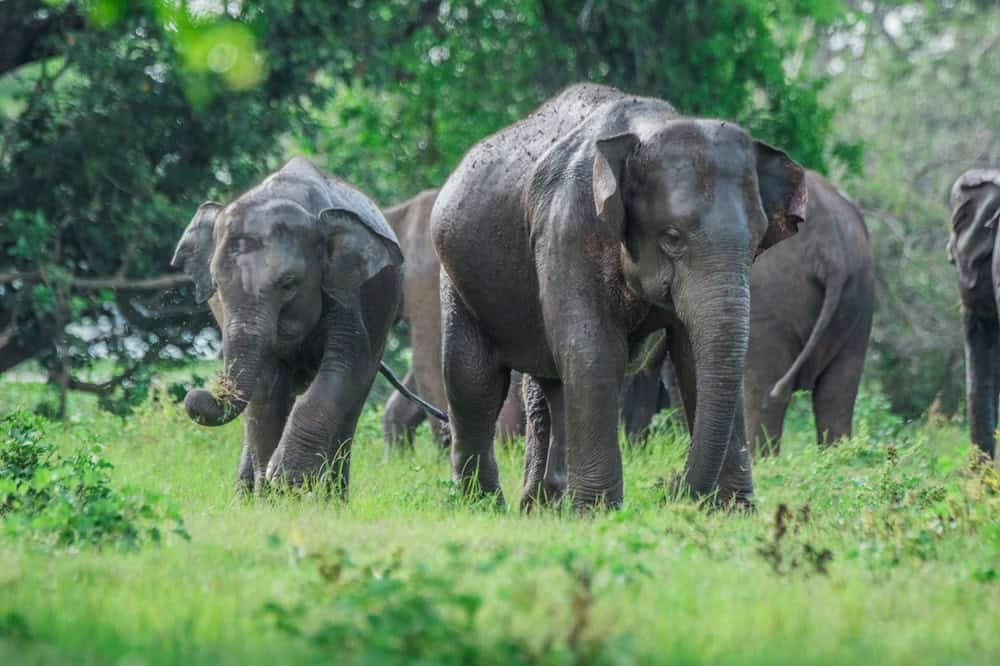
The east coast remains sunny (28–32°C). Cultural Triangle stays dry. Southwest remains affected by monsoon rains.
Destinations: Arugam Bay (surfing), Trincomalee (diving), Passikudah (family-friendly), Minneriya.
Esala Perahera continues into early August. You can combine beaches, wildlife, and cultural festivals. High demand—August is the peak holiday season for European travelers.
September – Shoulder Season with Fewer Crowds
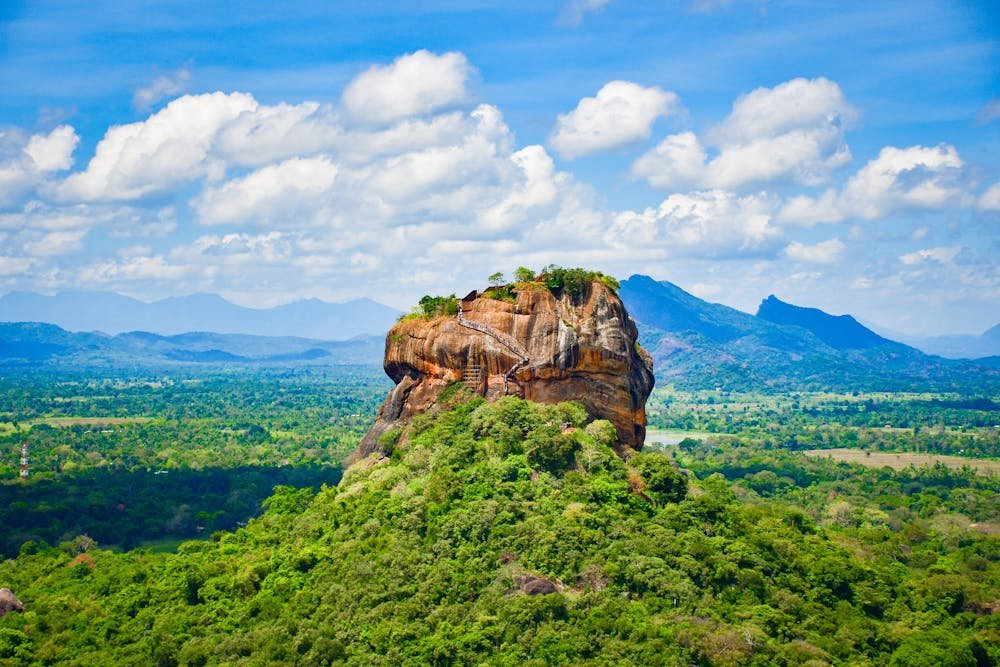
Southwest monsoon begins to ease, but occasional showers persist. The east coast remains sunny (28–31°C), while the Cultural Triangle stays relatively dry.
Best Regions to Explore: East coast beaches (Arugam Bay, Trincomalee) + Cultural Triangle (Sigiriya, Polonnaruwa, Anuradhapura).
Check out the surfing competitions in Arugam Bay. Wildlife safaris in Minneriya—elephant “Gathering” continues until October. Shoulder season means lower hotel rates (15–25% cheaper).
Fewer tourists, relaxed atmosphere. But the weather can be unpredictable, with occasional heavy showers. A low-to-moderate crowd seems ideal for travelers seeking peace and flexibility.
October – Inter-Monsoon Period
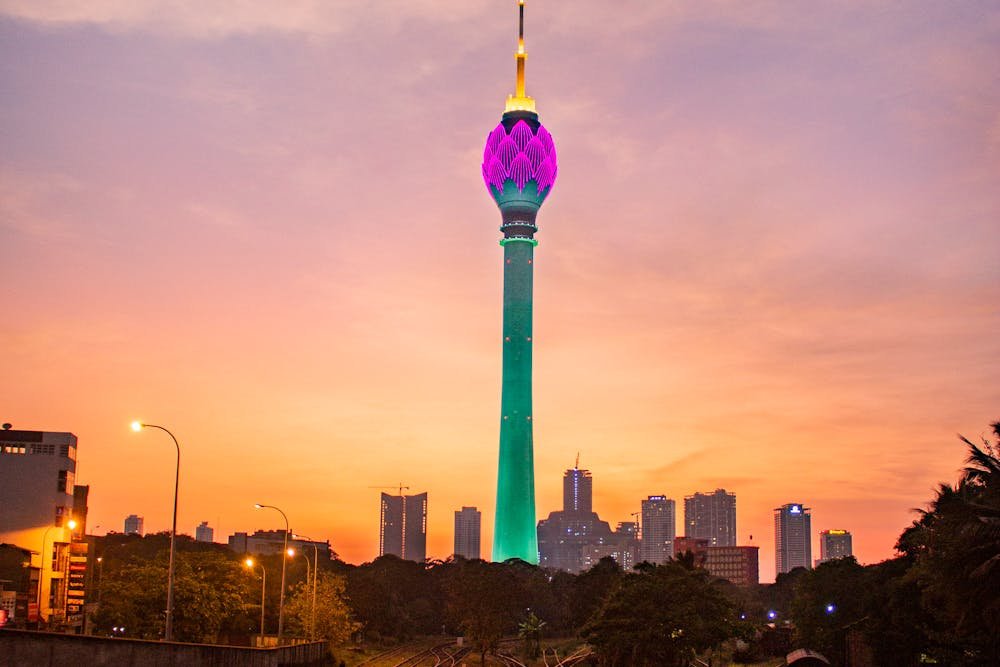
Rainfall increases across the island; thunderstorms are possible. Average rainfall is 200–300 mm in many regions. Temperatures remain warm (27-30°C).
Sudden showers may disrupt outdoor plans. Lush landscapes and fewer tourists make it appealing for photographers and slow travelers.
Best Experiences: Colombo museums/galleries, Kandy/Anuradhapura temples, tea factory in Nuwara Eliya. Heavy showers can limit beach and safari activities.
Budget-conscious travelers can benefit from the significant rate drop. It’s perfect for those who enjoy cultural immersion and don’t mind occasional rain.
November – Start of the Northeast Monsoon
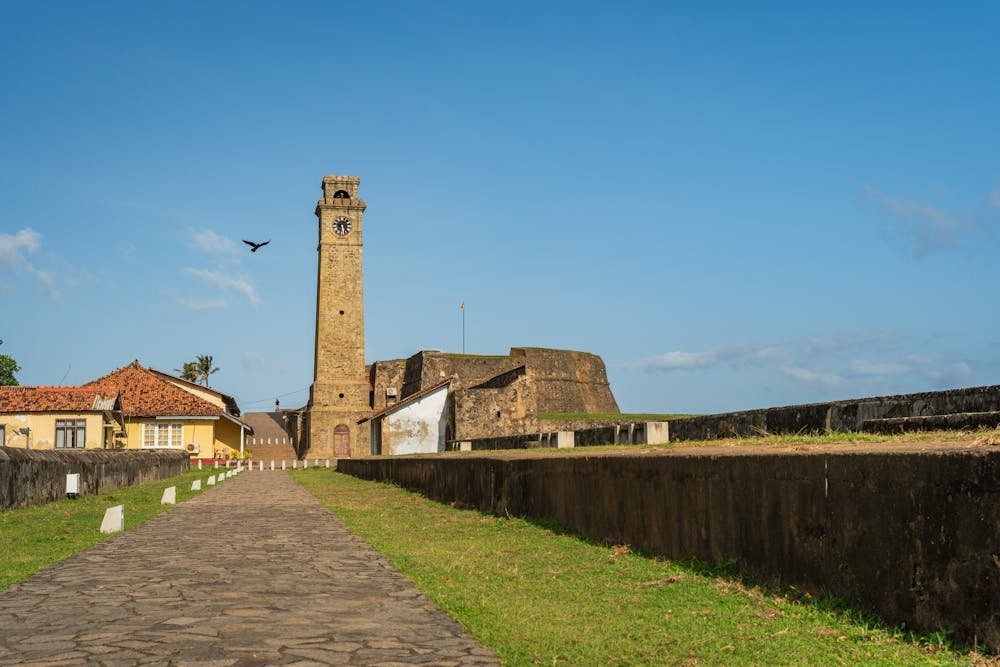
Northeast monsoon begins, affecting the east and north coasts (Trincomalee, Jaffna). Southwest and hill country remain drier. Avg. temperatures are 27–30°C in the lowlands and 18–22°C in the hill country.
Best Regions: Southwest coast (Galle, Bentota, Mirissa), hill country (Ella, Nuwara Eliya). Whale watching season starts in Mirissa. Hiking in Horton Plains and Ella.
Lower prices and fewer tourists compared to December. Great time for flexible travelers who can adapt to shifting weather. The east coast largely off-limits due to the rain.
December – Peak Season Returns
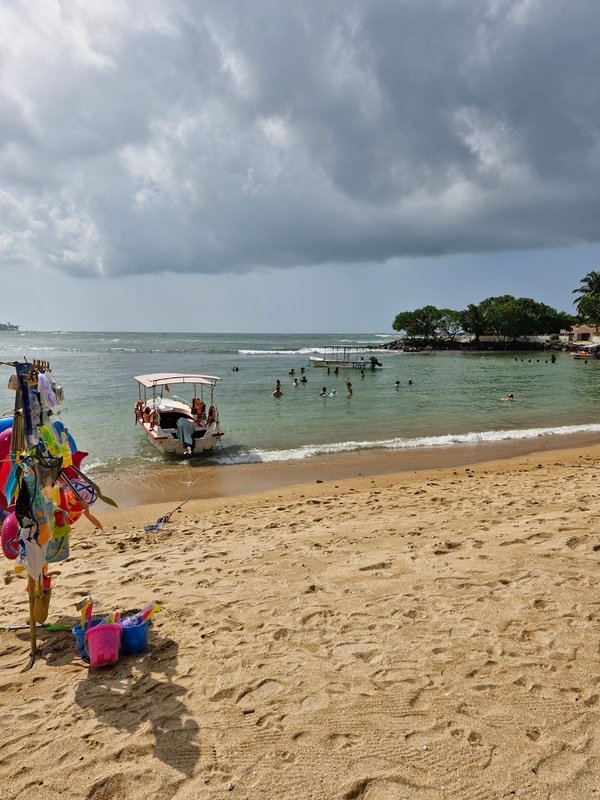
The dry season is firmly established along the south and west coasts. Average temperatures measure 27–30°C, with sunny skies. Hill country remains cool (15–20°C).
Best Destinations: South coast (Mirissa, Unawatuna, Bentota); Cultural Triangle; Dry and accessible for sightseeing; Hill country. Book accommodations early—December is one of the busiest months.
Coastal resorts host festive events and parties. Best weather of the year; ideal for beaches, safaris, and sightseeing. Prices peak (hotels and tours can be 30–40% higher).
Cheapest Time to Visit Sri Lanka
Low Season Months
- May–June: Start of the southwest monsoon, affecting Colombo, Galle, and the southern beaches. The east coast (Trincomalee, Arugam Bay) remains sunny, making it ideal for budget beach trips.
- September–October: Inter-monsoon period with scattered showers across the island. Despite unpredictable weather, this is one of the quietest times for tourism.
Average Savings on Accommodation and Tours
- Hotels and Resorts: Discounts of 20–40% compared to the December–March peak season.
- Flights: Lower demand means cheaper fares, especially if booked 6–8 weeks in advance.
- Tours and Safaris: Operators often reduce rates or offer flexible packages to attract travelers.
Trade-Offs Between Price and Weather
Significant cost savings from fewer crowds at UNESCO sites such as Sigiriya and Polonnaruwa. It’s also easy to book last-minute accommodations. Similar to Bali or Thailand, Lankan off-season doesn’t shut down tourism entirely.
Southwest monsoon brings heavy rains in May–June (south/west coasts). October’s inter-monsoon can deliver some unpredictable showers across the island. Outdoor activities (beach lounging, safaris) may be disrupted.
How to Plan Around Bad Weather?
There’s no single “bad season” for the entire island—rainfall is regional and alternating. Even during “worst” months, smart planning ensures a rewarding trip.
Suppose the southwest is rainy (June), head to the east coast (Arugam Bay, Trincomalee). If the east is rainy (November), enjoy the south coast (Galle, Mirissa).
Museums in Colombo, temple visits in Kandy, and tea factory tours in Nuwara Eliya. Pack lightweight rain gear and quick-dry clothing. Plan outdoor excursions in the mornings—afternoon showers are common.
Why “Worst” Doesn’t Mean “Impossible”?
Showers are often intense but short-lived; sunshine frequently returns within hours. Thanks to dual monsoons, there’s always a dry region to explore. In June, Colombo may receive 350 mm of rain, but Arugam Bay on the east coast enjoys dry, sunny weather perfect for surfing.
Visiting Sri Lanka can be a breathtaking and worthwhile experience that unfolds differently depending on when and where you go. The country has many unique things to offer – dual monsoons, golden beaches, misty hills, ancient sites, and vibrant festivals. The key is not to look for a single “perfect” time, but to align your journey with your personal travel goals.
Contact Sri Lanka Travel Helper to book Sri Lanka tour packages.
Frequently Asked Questions
The best time to visit Sri Lanka is from December to March. It’s the time when the south and west coasts enjoy dry, sunny weather, and the Cultural Triangle is perfect for sightseeing.
The absolute best month is January, when the weather is dry and sunny across most of the island. The coasts enjoy calm seas, the Cultural Triangle has clear skies, and wildlife safaris are rewarding.
Yes. Thanks to two alternating monsoon systems, Sri Lanka is still good to visit during the monsoon. When the southwest coast is rainy, the east coast is perfect for surfing and diving. When the east coast is wet, the south and west coasts are dry for beach holidays.
December to March and July to August are peak seasons. Perfect beach weather, cultural festivals, and higher tourist demand tend to overwhelm almost every destination.
Absolutely. Sri Lanka’s dual monsoon system ensures that when one region is rainy, another is sunny. It makes the island a rare year-round destination compared to other tropical countries.
Editorial Staff’s at Sri Lanka Travel Helper are experts in Sri Lanka tourism.